
Health & Sanitation
Proper waste handling lowers disease vectors and reduces cholera risk by improving sanitation and drainage.
Turning household and community waste into health, jobs, and income. Educate • Recycle • Employ • Clean Lusaka
Uncollected waste increases disease risk, blocks drainage, causes flooding, and affects livelihoods. Lusaka experiences recurring cholera outbreaks linked to poor waste management. A sustainable recycling program reduces health risks and creates economic opportunity.
Proper waste handling lowers disease vectors and reduces cholera risk by improving sanitation and drainage.
Clearing waste from drains reduces flooding and protects homes and infrastructure.
Recycling and upcycling create formal and informal job opportunities across collection, sorting, resale and small enterprises.
Practical, scalable pathways for communities to convert waste into value and income.
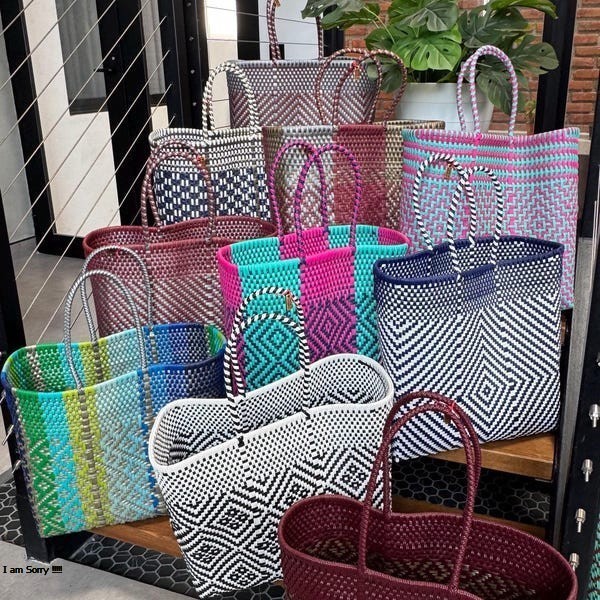
Collection and sorting for resale, upcycling into household items and community crafts that can be sold locally.
Learn more →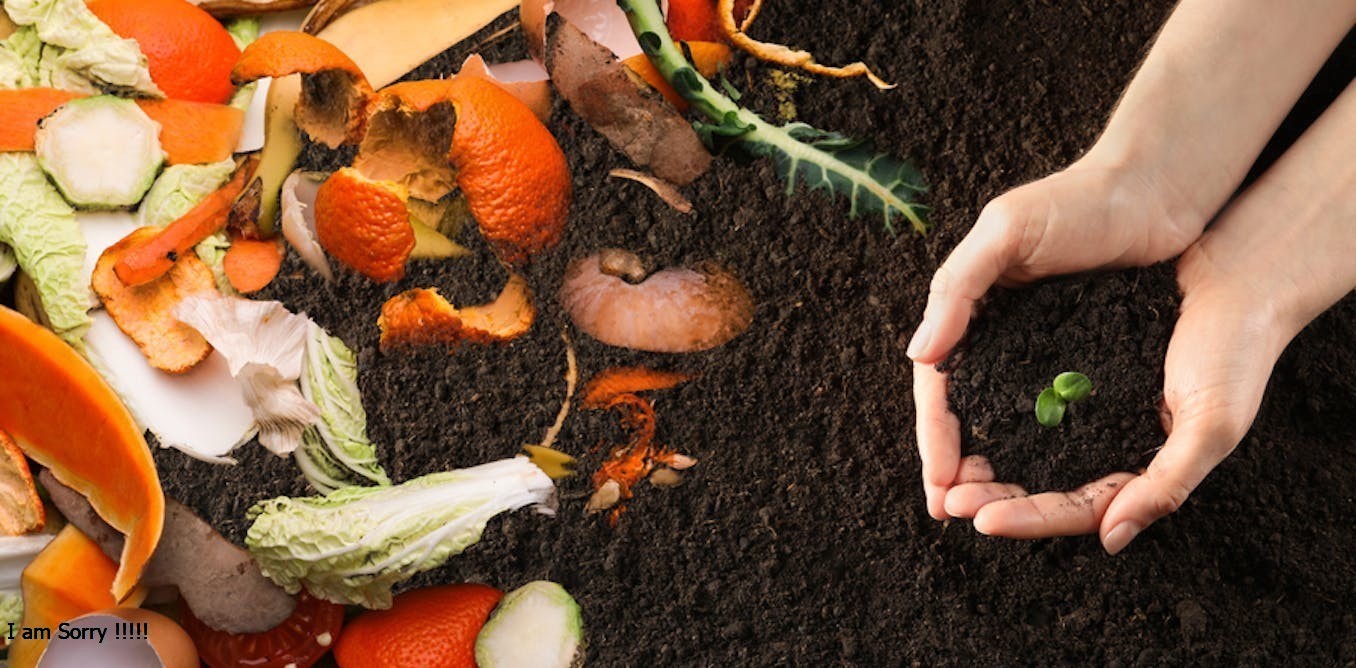
Turn food and garden waste into compost to support urban farming and household gardens, reducing fertilizer costs.
Learn more →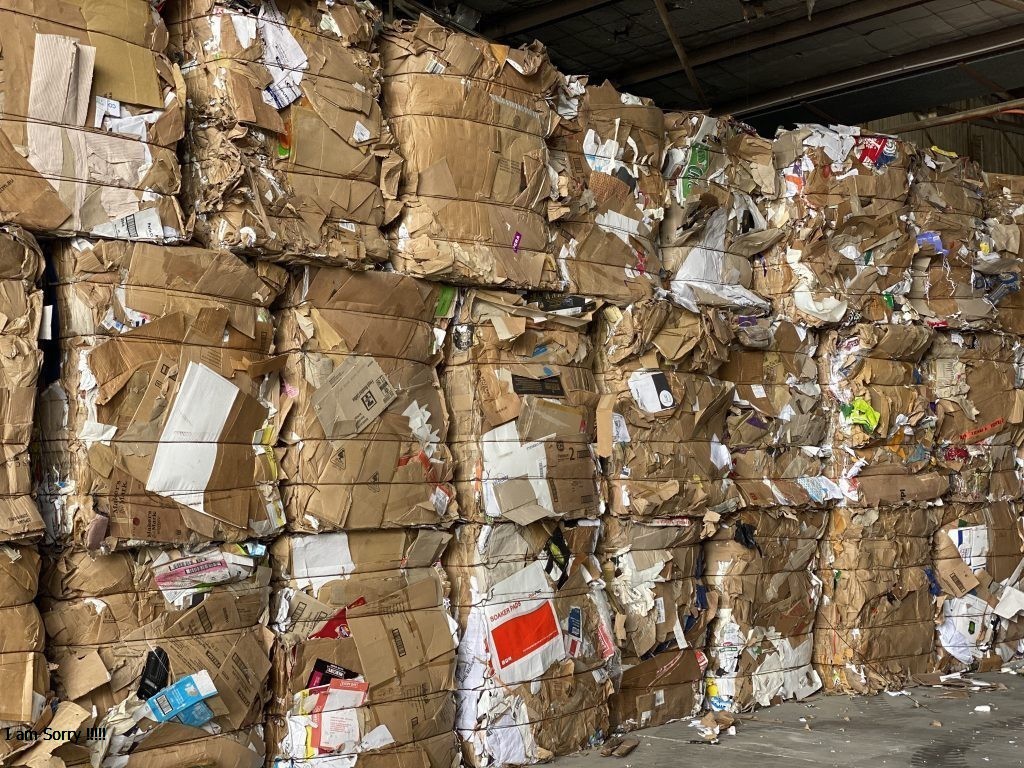
Collect, bale and sell paper and cardboard; small enterprises can produce recycled paper goods.
Learn more →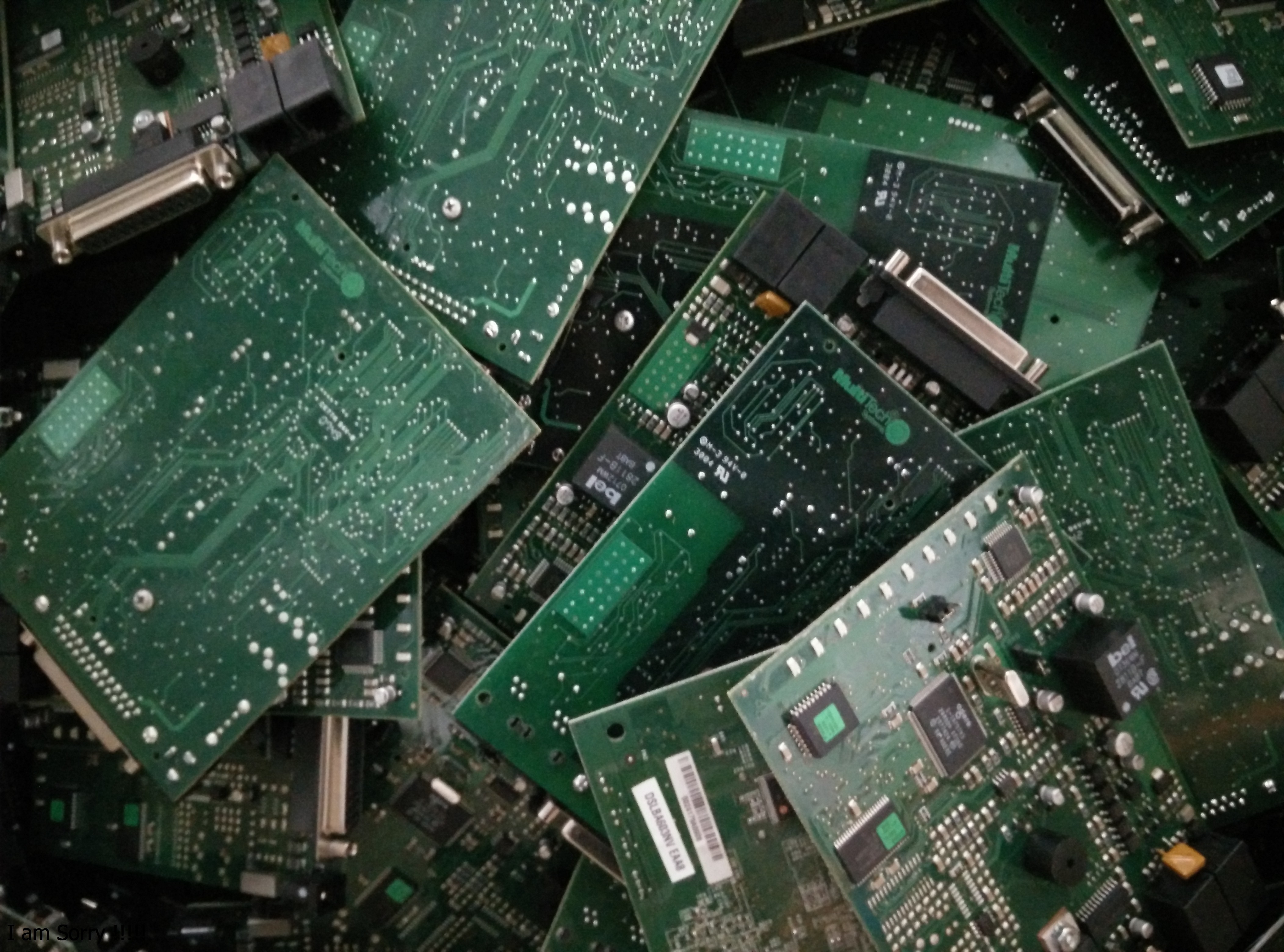
Safe collection of electronic waste for parts recovery and refurbishment—reducing hazards and creating value.
Learn more →Simple behaviours that every household can adopt to make a big impact.
Sort waste at source: organics, plastics, paper, and hazardous e-waste.
Store recyclables in labeled bins; rinse food containers and flatten cardboard.
Use community collection points or schedule pickup with local recyclers.
Compost organic waste for gardens; repair & repurpose items where possible.
Collective action multiplies impact — join clean-up drives, training, and local employment programs.
Monthly clean-up drives across Lusaka neighbourhoods — SMS alerts and WhatsApp signups available.
Sign up →Short-term and permanent roles in collection, sorting, and community education. Employers can post openings.
View jobs →Curriculum-linked workshops to educate students and establish youth recycling clubs.
Partner with us →Hear from our community members about the impact of Clean Lusaka.
"Clean Lusaka has transformed our neighbourhood. The waste collection program improved our streets and health. I've earned income through recycling!"
Mercy Chibale"As a teacher, I appreciate the school programme. Our students now understand waste management and actively participate in keeping our campus clean."
John Mwale"The composting training helped me start a small business. I sell compost to local farmers and it's generating good income for my family."
Patricia SilwimbaReport illegal dumping or blocked drains. Track project impact and progress (data-driven results).
Guides, partner organisations and downloadable materials to support community action.




Sign up to volunteer, post jobs, or partner with Clean Lusaka.